
 Apple
Apple
Wi-Fi Extenders
Wi-Fi 7 Extenders
| Picture | Item Title | Item Price | Buy It |
|---|---|---|---|
|
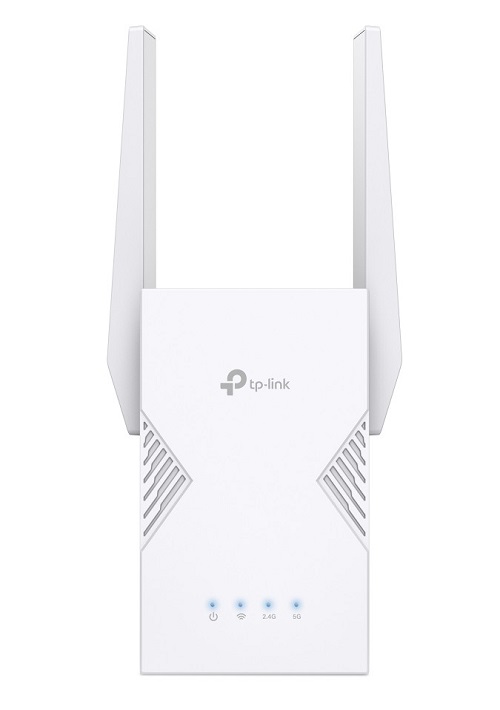
TP-Link RE225BE BE3600 Dual-Band Wi-Fi 7 Range Extender |
$238.99plus shipping |
|
|
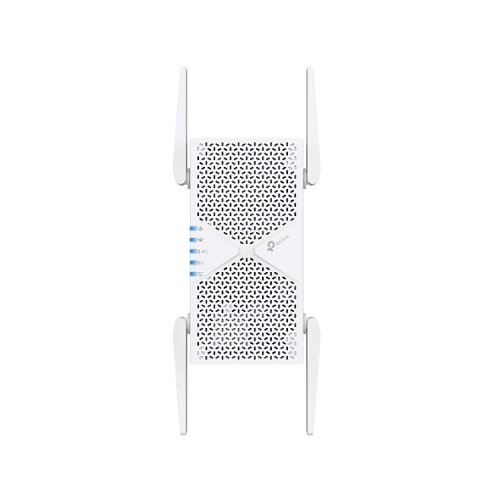
TP-Link RE405BE BE6500 Dual-Band Wi-Fi 7 Range Extender |
$379.99plus shipping |
|
|
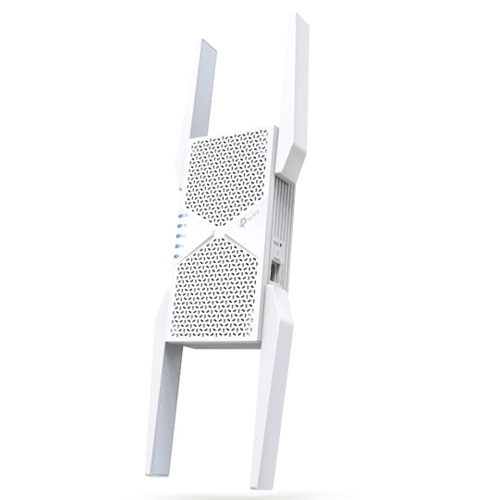
TP-Link RE655BE BE9300 Tri-Band Wi-Fi 7 Range Extender |
$464.99plus shipping |
|
Wi-Fi 6 Extenders
| Picture | Item Title | Item Price | Buy It |
|---|---|---|---|
|
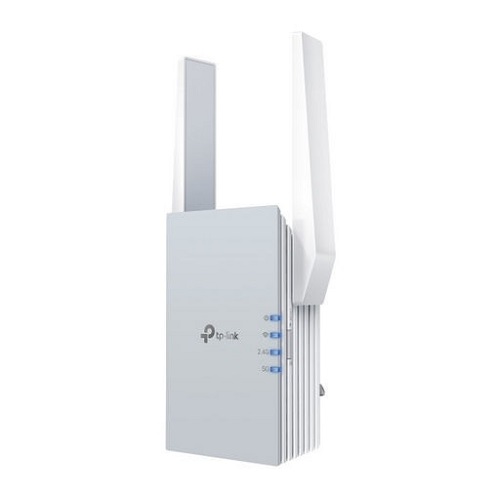
TP-Link RE515X (AX1500) Wi-Fi 6 Range Extender |
$144.99plus shipping |
|
|
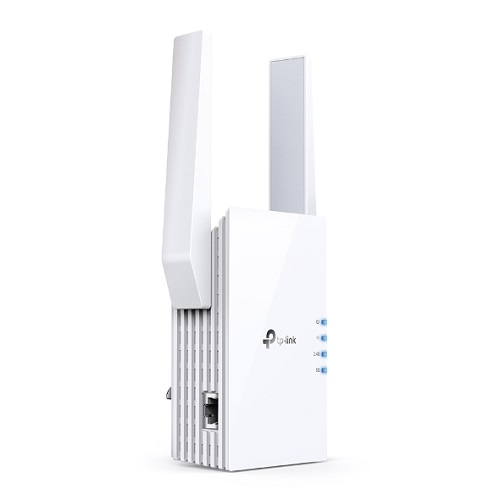
TP-Link RE605X (AX1800) Wi-Fi 6 Range Extender |
$149.99plus shipping |
|
|
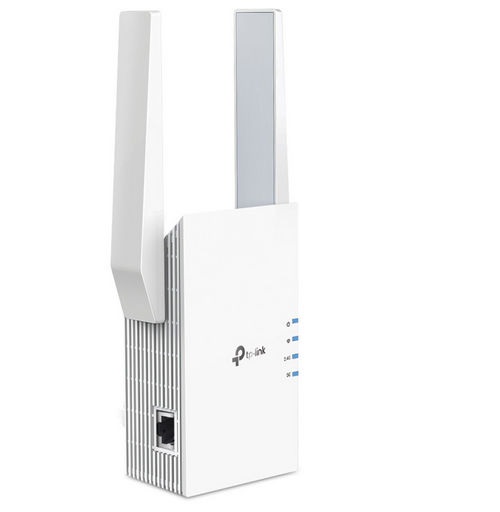
TP-Link RE705X (AX3000) Mesh Wi-Fi 6 Range Extender |
$174.99plus shipping |
|
Wi-Fi 5 Extenders
| Picture | Item Title | Item Price | Buy It |
|---|---|---|---|
|
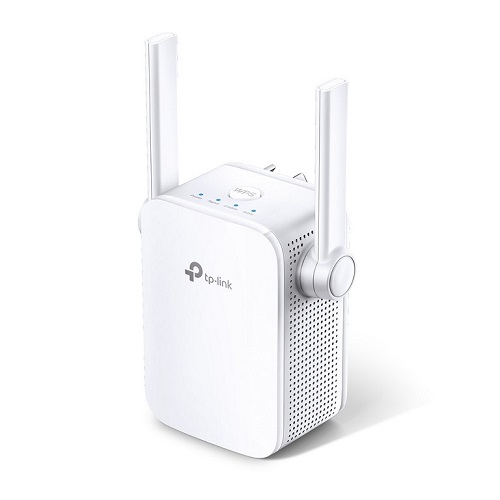
TP-Link RE205 AC750 Wi-Fi 5 Range Extender |
$69.99plus shipping |
|
|
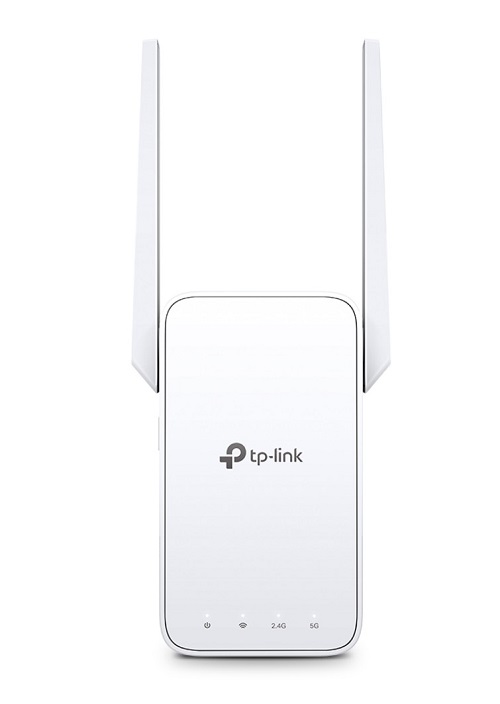
TP-Link RE315 AC1200 Mesh Wi-Fi 5 Range Extender |
$89.99plus shipping |
|
|
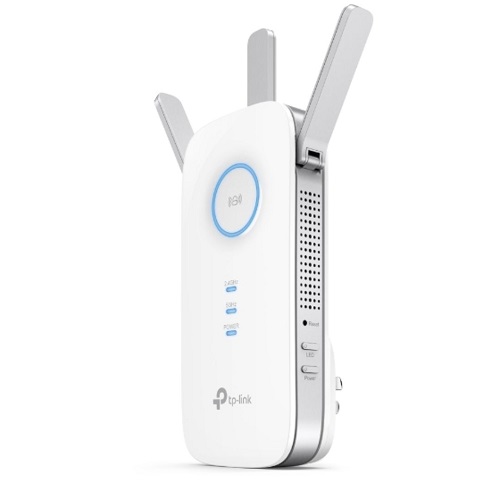
TP-Link RE450 AC1750 1750Mbps Wi-Fi 5 Range Extender |
$108.99plus shipping |
|
|
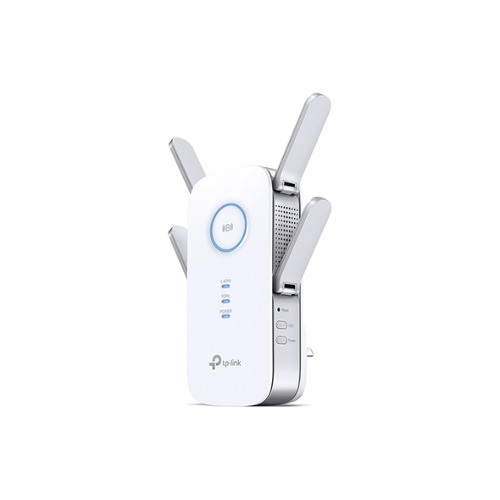
TP-Link RE650 AC2600 2600Mbps Wi-Fi 5 Range Extender |
$178.99plus shipping |
|
Do you have a Wi-Fi signal problem?
There's an easy way to get Wi-Fi everywhere in your home. You can pair your router with an extender to cover more of your house even in hard to reach places of your home.
A range extender boosts your existing Wi-Fi signal, so you can enjoy stronger connections and faster speeds throughout the home. Multi-bands let devices connect at different waves for uninterrupted streaming. And with wireless encryption, all your data stays secure. Wi-Fi range extenders are easy to set up and use. Simply plug it in and connect.
Wi-Fi 7 802.11be
IEEE 802.11be, marketed as Wi-Fi 7 by the Wi-Fi Alliance, is the latest wireless networking standard. Officially published in 2024, it achieves massive data rates up to 40Gbps and drastically reduces latency by operating across the 2.4GHz, 5GHz and 6GHz bands with advanced multi-link capabilities.
TP-Link Wi-Fi Extenders: BE3600 vs BE6500 vs BE9300
Looking at Wi-Fi 7 extenders, you'll see BE3600, BE6500 and BE9300. Think of these numbers as their speed tiers.
The BE3600 is the entry-level option. It’s a dual-band model that’s great for everyday browsing and streaming in a smaller household.
The BE6500 steps things up with faster, multi-gigabit speeds. It’s often dual-band or tri-band and handles a busy home with lots of devices better, perfect if your family streams 4K and plays games at the same time.
The BE9300 is the powerhouse. It’s a tri-band beast designed for heavy use, think hardcore gaming, large file downloads and a whole smart home full of gadgets. If you want the fastest possible connection and don’t want to worry about slowdowns, this is your pick.
Here's a head-to-head comparison of Wi-Fi 7 core specifications:
| Feature / Metric | BE3600 | BE6500 | BE9300 |
|---|---|---|---|
| Max Theoretical Speed | Up to ~3.6Gbps | Up to ~6.5Gbps | Up to ~9.3Gbps |
| Wi-Fi Bands | Dual-Band (2.4GHz +5 GHz) | Dual-Band or Tri-Band | Tri-Band (2.4GHz, 5GHz, 6GHz) |
| Ethernet Ports | Typically four 1Gbps ports | Typically 2.5Gbps / 1Gbps mix | Multiple 2.5Gbps ports |
| Processor / Memory | 1.5GHz Quad-core | 2.0GHz Quad-core | High-performance multi-core |
| Ideal Use Case | Small/medium homes, basic streaming | Medium/large homes, 4K streaming | Large homes, heavy gaming, VR |
Wi-Fi 6 802.11ax
802.11ax, commonly branded as Wi-Fi 6, is a wireless networking standard that optimizes network efficiency in crowded, device-heavy environments. Operating on both 2.4GHz and 5GHz bands, it delivers up to 4× the capacity of Wi-Fi 5 (802.11ac) and theoretically reaches speeds up to 9.6Gbps.
TP-Link Wi-Fi Extenders: AX1800 vs AX3000 vs AX1500
If you're looking into the Wi-Fi 6 world, you will see these numbers: AX1500, AX1800, AX3000. These are just speed ratings, the theoretical maximum combined bandwidth in Mbps. Think of them as rough tiers.
Here's the breakdown:
- AX1500: This is the budget-friendly entry point. It splits roughly 300 Mbps on the 2.4GHz band and 1201Mbps on the 5GHz band. It usually skips the 160MHz channel support, so its top speed stays lower. Good for streaming, browsing and a small apartment without needing much muscle.
- AX1800: The “sweet spot.” This one bumps the 2.4GHz band to about 600Mbps while keeping the 5GHz around 1200Mbps. It’s a nice balance, better for a mid-sized home (2–3 bedrooms) and everyday internet use without breaking the bank.
- AX3000: The speed demon for power users. It delivers about 574Mbps on 2.4GHz and a whopping 2402Mbps on 5GHz, thanks to that 160MHz channel support (doubles the 5GHz speed of the other two). These often pack faster processors (like Intel chips) and full Gigabit Ethernet ports, so no wired bottlenecks. Perfect for gigabit fibre plans, big local file transfers or homes with 20+ smart devices all chatting at once.
Which TP-Link Wi-Fi Extender is Best For You?
- Choose AX1500 if you just need the cheapest ticket to Wi-Fi 6 for basic streaming and browsing in a small space.
- Choose AX1800 if you want a solid all-rounder for a regular 2–3 bedroom home and decent performance without overspending.
- Choose AX3000 if you’ve got super-fast internet (>500Mbps), move large files around your network often or run a whole zoo (more than 20) of smart home gadgets at the same time.
Here's a head-to-head comparison of Wi-Fi 6 core specifications:
| Feature | AX1500 | AX1800 | AX3000 |
|---|---|---|---|
| Max Combined Speed | Up to 1.5Gbps (1500Mbps) | Up to 1.8Gbps (1800Mbps) | Up to 3.0Gbps (3000Mbps) |
| 5 GHz Band Speed | ~1201Mbps | ~1201Mbps | ~2402Mbps |
| 2.4 GHz Band Speed | ~300Mbps | ~574Mbps | ~574Mbps |
| Channel Bandwidth | 20/40/80MHz | 20/40/80MHz | Up to 160MHz (on 5GHz) |
| Hardware/CPU | Usually Dual-Core (e.g., 0.88GHz) | Dual-core or Quad-Core | Often more robust Quad-Core |
| Ideal Environment | Small homes/apartments (1-2 rooms) | Medium homes, smaller offices | Larger homes, heavy gaming, 4K streaming |
Browse our selection of networking equipment, including Wi-Fi extenders, NBN and Starlink Wi-Fi extenders and more.